Clinical evidence on the immunomodulatory effects of mushroom-derived bioactive compounds in humans: a scoping review
Evidencia clínica sobre los efectos inmunomoduladores de compuestos bioactivos derivados de hongos en humanos: una revisión de alcance
Valentina Zapata Cardona1, María Camila Loaiza Ceballos 2, Diana Maryory Gómez Gallego2*.
1 Escuela de Microbiología, Universidad de Antioquia, Medellín, Colombia.
2 Infettare, Facultad de Medicina, Universidad Cooperativa de Colombia, Medellín, Colombia.
* Correspondencia: diana.gomezga@campusucc.edu.co
Keywords: Immunomodulation, Mushrooms, Clinical Trials, Immune System, Functional Foods.
ABSTRACT
Introduction: Edible and medicinal mushrooms have traditionally been consumed for their health-promoting properties, particularly their capacity to influence immune function. In recent decades, their incorporation into nutraceutical products and dietary supplements has expanded alongside growing scientific interest in mushroom-derived bioactive compounds. However, human clinical evidence remains heterogeneous regarding species studied, extract characterization, populations, and immunological endpoints assessed. A structured synthesis focused on quantitative immune outcomes was therefore needed to clarify the scope and methodological patterns of existing studies.
Methods: A scoping review was conducted in accordance with PRISMA-ScR guidelines. PubMed, Scopus, SciELO, and LILACS were searched from inception through March 10, 2025. Eligible studies were primary human clinical investigations evaluating immunomodulatory effects of single-species mushroom interventions administered orally and assessed using predefined quantitative techniques. Studies involving mixed formulations, unidentified species, animal or in vitro designs, or lacking quantitative immunological methods were excluded. Data were charted independently by two reviewers and synthesized narratively using descriptive frequency analysis.
Results: Thirty-three studies met inclusion criteria. Although nineteen genera were predefined, only eight were represented in eligible trials. Ganoderma and Pleurotus were most frequently investigated. Polysaccharides and glycoconjugates were the predominant bioactive category. Cancer patients comprised the largest subgroup. Cellular immunity was most commonly assessed. Immunostimulatory effects predominated, alongside anti-inflammatory and bidirectional responses.
Conclusions: Mushroom-derived dietary interventions are associated with measurable immune modulation in humans, especially within cellular immunity and inflammatory pathways. Greater extract standardization and harmonized immune biomarkers are required to strengthen translational relevance in clinical nutrition.
INTRODUCTION
In recent decades, growing interest in functional nutrition and food-derived bioactive compounds has intensified in response to the increasing global burden of inflammatory, infectious, metabolic, and oncological diseases. At the same time, conventional immunomodulatory therapies—including immunosuppressive agents, biologics, and cytokine-based immunostimulatory approaches—have substantially improved clinical management, but their use remains constrained by important limitations. In immunosuppressive and biologic regimens, these limitations include serious and opportunistic infections, and, in some settings, malignancy (Holmer & Singh, 2019). Cytokine-based immunostimulatory strategies may also be accompanied by substantial systemic toxicities that can limit their broader clinical use. In addition, several immunomodulatory regimens require routine laboratory monitoring, which adds complexity to long-term management (Rigby et al., 2017). Economic barriers further constrain access, particularly for biologic therapies, whose high cost has contributed to inequities in treatment availability. Moreover, clinical response to immunomodulatory therapies is often heterogeneous across patients, reflecting broader translational and implementation challenges in this therapeutic field (Baumgart et al., 2019). Within this context, edible and medicinal mushrooms used as dietary or supplemental interventions have gained attention as sources of bioactive compounds with potential immunomodulatory effects in humans. Multiple reviews have highlighted the immunological relevance of fungal polysaccharides—particularly β-glucans—in regulating innate and adaptive immunity (Ayeka, 2018; Chugh et al., 2022; Loaiza-Ceballos et al., 2025). Advances in chemical and structural characterization have further strengthened the rationale for exploring mushroom-derived bioactives as functional nutritional ingredients and potential clinical adjuvants (Venturella et al., 2021; Wasser, 2011).
Medicinal mushrooms have been used for centuries in traditional Asian medical systems and are incorporated into dietary and ethnopharmacological practices in countries such as China, Japan, and India. Several genera—including Ganoderma lucidum, Cordyceps sinensis, Grifola frondosa, and Lentinus edodes—have traditionally been attributed immunomodulatory, antioxidant, antitumoral, and adaptogenic properties (Lull et al., 2005; Venturella et al., 2021). In contemporary contexts, many of these species are consumed not only as foods but also as orally administered extracts, powders, or capsules within the nutraceutical market. The global mushroom market has experienced sustained expansion, reflecting increasing scientific and industrial interest in mushroom-derived bioactives for nutraceutical, pharmaceutical, and food biotechnology applications (https://www.polarismarketresearch.com, 2025). Despite their historical dietary use and commercial growth, clinical validation of their immunological effects following oral supplementation remains incomplete and methodologically heterogeneous.
From a mechanistic perspective, fungal β-glucans represent the most extensively studied immunologically active constituents. Structurally characterized by β-(1→3)-linked glucose backbones with β-(1→6) branching, these polysaccharides are recognized by pattern-recognition receptors (PRRs) such as Dectin-1, complement receptor 3 (CR3), and Toll-like receptors (TLR2 and TLR4) expressed on macrophages, dendritic cells, and neutrophils (Brown & Gordon, 2005; Chan et al., 2009; Goodridge et al., 2009). Engagement of these receptors activates intracellular signaling cascades—including Syk, NF-κB, MAPK, and PI3K/Akt pathways—leading to cytokine production (e.g., IL-1β, IL-6, TNF-α), enhanced phagocytosis, antigen presentation, and modulation of T lymphocyte and natural killer (NK) cell activity (Brown & Gordon, 2005; Chan et al., 2009; Goodridge et al., 2009). Through these pathways, mushroom-derived polysaccharides can influence both innate and adaptive immune responses and contribute to the maintenance of immune homeostasis depending on host immune status (Chugh et al., 2022; Goodridge et al., 2009).
In addition to immediate activation of innate immune signaling, β-glucans have been implicated in the induction of trained immunity, a process characterized by epigenetic and metabolic reprogramming of innate immune cells that enhances responsiveness upon secondary stimulation (Netea et al., 2016). This concept provides a framework for understanding sustained immunological effects observed after dietary supplementation in certain clinical contexts. However, β-glucans are not the only mushroom-derived compounds with putative immunomodulatory relevance. Review literature indicates that other polysaccharide classes, including heteroglycans, peptidoglycans, and polysaccharide–protein complexes, may also contribute to biological activity, and that their effects can vary according to structural features such as branching degree, linkage type, side-chain composition, and constituent monosaccharides (Venturella et al., 2021). In parallel, medicinal mushrooms contain other bioactive metabolites and proteins of interest, including terpenes/terpenoids, lectins, fungal immunomodulatory proteins, and phenolic compounds (Venturella et al., 2021; Chugh et al., 2022). Preclinical evidence summarized in these reviews suggests that some of these constituents may participate in immune modulation through effects on immune-related gene expression or through activation of lymphocytes, macrophages, natural killer cells, and cytokine production, although these mechanistic data derive predominantly from in vitro and animal studies rather than controlled human trials (Lull et al., 2005; Venturella et al., 2021; Chugh et al., 2022).
Clinical studies evaluating mushroom-derived products have reported immunological effects in diverse populations, although findings vary according to species, extract composition, dosage, duration, and baseline immune status. Randomized controlled trials have shown that β-glucans derived from Ganoderma lucidum can enhance NK cell cytotoxicity and modulate immunoglobulin levels in healthy adults without significant adverse effects (Chen et al., 2023). Supplementation with mushroom-derived polysaccharides has also been associated with increased T lymphocyte counts in pediatric populations (Henao et al., 2018). In oncology contexts, phase I/II clinical studies of Grifola frondosa extracts have demonstrated dose-dependent changes in cytokine production and NK cell activity, suggesting context-dependent or biphasic immunomodulation (G. Deng et al., 2009). However, other trials have reported limited or inconsistent changes in inflammatory markers, as observed in patients with rheumatoid arthritis treated with Ganoderma lucidum (Li et al., 2007).
Such variability may reflect differences in fungal species, extraction methods, molecular composition, dosage, duration of intervention, and baseline immune status of participants. In addition, the chemical profile and bioactive compound content of medicinal mushrooms may vary according to cultivation conditions, degree of maturity, environmental factors, and the world region from which they originate, while processing conditions can further affect the retention of nutritionally and nutraceutically relevant constituents (Lysakowska et al., 2023; Yadav & Negi, 2021). Structural heterogeneity in β-glucans—including molecular weight and branching patterns—has been shown to influence receptor binding and downstream signaling intensity (Chan et al., 2009; Goodridge et al., 2009). Moreover, the frequent use of mixed or insufficiently characterized extracts limits mechanistic attribution and reproducibility, posing challenges for pharmaceutical development and regulatory standardization. The diversity of immunological biomarkers assessed across studies further complicates synthesis and comparison of findings.
Given the fragmented nature of the clinical literature and the absence of an integrative synthesis focused specifically on predefined quantitative immunological techniques in human supplementation studies, a scoping review following PRISMA-ScR guidelines was considered appropriate. This approach is particularly relevant in multidisciplinary and emerging fields such as medicinal mushroom immunomodulation, where clinical evidence is dispersed across diverse populations and study designs.
Therefore, the objective of the present review was to characterize and synthesize the available clinical evidence on the immunomodulatory effects of 19 genera of edible and medicinal mushrooms administered to humans as dietary or supplemental interventions, identifying the species most frequently studied, the categories of bioactive compounds evaluated, the immunological domains assessed, and the clinical contexts in which these effects have been investigated.
METHODS
Protocol and Registration
A protocol was developed a priori to define the objectives, eligibility criteria, search strategy, and data-charting framework of this scoping review, in accordance with the PRISMA Extension for Scoping Reviews (Tricco et al., 2018). The protocol was not formally registered and is not publicly available. This review does not represent an update of a previously published study.
Eligibility Criteria
Eligibility criteria were established a priori and applied sequentially during title/abstract screening and full-text assessment. At the screening stage, studies were included if they were primary research articles involving human participants, reported immunomodulatory outcomes, and were published in English or Spanish. Reviews, editorials, letters, conference abstracts, animal studies, and in vitro investigations were excluded.
During full-text evaluation, studies were excluded if the fungal species was not taxonomically identified at the species level, or if it was reported only using generic, vernacular, commercial, or otherwise taxonomically imprecise denominations that did not allow adequate traceability of the fungal source. Studies were also excluded if the intervention consisted of mixed or multi-component formulations that precluded attribution of the immunological effects to a single mushroom species, if predefined quantitative immunological techniques (ELISA, quantitative polymerase chain reaction, Western blot, or flow cytometry) were not used, or if the full text was unavailable. No publication date restrictions were applied.
Information Sources and Search Strategy
A comprehensive search was conducted between January and March 2025 in PubMed, Scopus, SciELO, and LILACS. The final search update was performed on March 10, 2025. Only peer-reviewed articles were considered.
No gray literature sources were searched. This decision was made because the review aimed to synthesize clinical human studies reporting predefined quantitative immunological outcomes, in a field where intervention traceability and methodological consistency were particularly relevant. Restricting inclusion to peer-reviewed literature was considered a strategy to improve comparability of the included evidence, although it may also have limited the identification of potentially relevant non-indexed or unpublished studies.
The search strategy was developed and executed by the research team without involvement of an information specialist and was not externally peer-reviewed. Database-specific queries combined the truncated terms Immu and Inflamma with the names of 19 predefined mushroom genera (Agaricus, Auricularia, Coprinus, Cordyceps, Flammulina, Ganoderma, Grifola, Hericium, Hypsizygus, Inonotus, Laetiporus, Lentinus, Ophiocordyceps, Phellinus, Pleurotus, Schizophyllum, Sclerotinia, Trametes, and Tricholoma). The 19 predefined mushroom genera were selected based on their recurrent mention in the literature on edible and medicinal mushrooms with reported or putative immunomodulatory relevance, as well as their historical and nutraceutical importance in prior review-based syntheses (Lull et al., 2005; Wasser, 2011; Venturella et al., 2021; Chugh et al., 2022). Searches were restricted to title and abstract fields (or database equivalents). No automated filters for date, study design, species, or publication type were applied; these criteria were assessed manually during screening. Complete reproducible search strategies are provided in Supplementary Appendix 1.
All retrieved records were exported to a .csv master file, and duplicates were removed manually in Microsoft Excel®, followed by manual verification.
Selection of Sources of Evidence
After duplicate removal, records were screened independently and in duplicate by two reviewers using a standardized form developed in Microsoft Excel®. Screening was conducted in two stages: title/abstract review followed by full-text assessment. Discrepancies were resolved through discussion; a third reviewer adjudicated unresolved disagreements. No formal calibration exercise was performed before screening; in this context, calibration would have involved a structured pilot assessment between reviewers to evaluate agreement and refine the operational application of the eligibility criteria. The entire selection process was conducted within Microsoft Excel®.
Data Charting and Data Items
A standardized data-charting form was developed in Microsoft Excel® by the two reviewers and refined iteratively during extraction. Data were charted independently and in duplicate, with discrepancies resolved by consensus or third-reviewer adjudication.
Extracted variables included author and year, country, study design, population characteristics, fungal genus and species, type of preparation, bioactive compound category, immunological domain assessed, type of immunological effect, and principal molecular immunological outcomes measured using ELISA, qPCR, Western blot, or flow cytometry. Only the direction of effect was recorded; statistical significance levels and numerical values were not extracted.
Immunological domains were classified according to the measured parameter: cellular immunity (e.g., NK cell activity, T-cell subsets, IFN-γ, IL-2), humoral immunity (immunoglobulins or specific antibodies), inflammation (pro- or anti-inflammatory cytokines and acute-phase proteins), and phagocytosis (functional cellular assays).
Immunological effects were categorized as immunostimulatory, immunosuppressive/anti-inflammatory, bidirectional (biphasic), immunomodulatory (regulatory), or no effect, based on the functional direction of reported outcomes. Immunostimulatory effects were defined as changes consistent with enhancement of immune activity, such as increases in immune cell counts, immune cell function, or pro-activation cytokine responses. Immunosuppressive/anti-inflammatory effects were defined as changes consistent with attenuation of inflammatory activity or reduction of immune activation markers. Bidirectional (biphasic) effects were defined as responses showing both increases and decreases in different immune parameters, or opposite effects depending on the clinical context or immune marker assessed. Immunomodulatory (regulatory) effects were defined as context-dependent immune changes interpreted as contributing to immune balance or homeostasis, including stabilization, normalization, or selective modulation of biomarkers rather than a purely stimulatory or suppressive direction. No effect was assigned when studies reported no relevant change in the evaluated immunological outcomes. Classification required interpretative judgment by the review team; in cases of ambiguity, consensus was reached through discussion. When multiple outcomes were reported, the primary immunological endpoint defined by the original study was prioritized.
The final data-charting form is available from the authors upon reasonable request.
Critical Appraisal of Individual Sources of Evidence
A formal critical appraisal of methodological quality or risk of bias was not conducted. This decision was consistent with the objective of this scoping review, which was to map and characterize the scope and distribution of clinical evidence rather than to evaluate internal validity or methodological rigor.
Synthesis of Results
Evidence was synthesized using a narrative descriptive approach supported by simple frequency counts. No quantitative pooling or meta-analysis was performed.
Studies were organized according to study design, geographic region, publication period, fungal genus, bioactive compound category, immunological domain, type of immunological effect, and population characteristics. Findings were presented through narrative summaries and graphical representations, including a PRISMA-ScR flow diagram and distribution figures. Variability in study characteristics and outcomes was described descriptively; no subgroup analyses or formal assessments of heterogeneity were conducted.
Ethical statements
This is a review article based on published clinical studies, and no primary data were collected by the authors. As such, ethical approval or consent was not required for the content of this manuscript. The authors ensured that all studies referenced in this review adhere to ethical guidelines, and proper acknowledgment of the original sources was provided for all included works. No human or animal subjects were involved in this review article.
RESULTS
Study Selection
The database search identified 20,285 records. After removal of 8,995 duplicates, 11,290 records underwent title and abstract screening. Of these, 11,183 were excluded for not meeting inclusion criteria. A total of 107 full-text articles were assessed for eligibility, and 74 were excluded due to lack of taxonomic identification, use of mixed formulations, absence of predefined quantitative immunological techniques, or unavailability of full text. Thirty-three clinical studies met all eligibility criteria and were included in the scoping review (Figure 1).
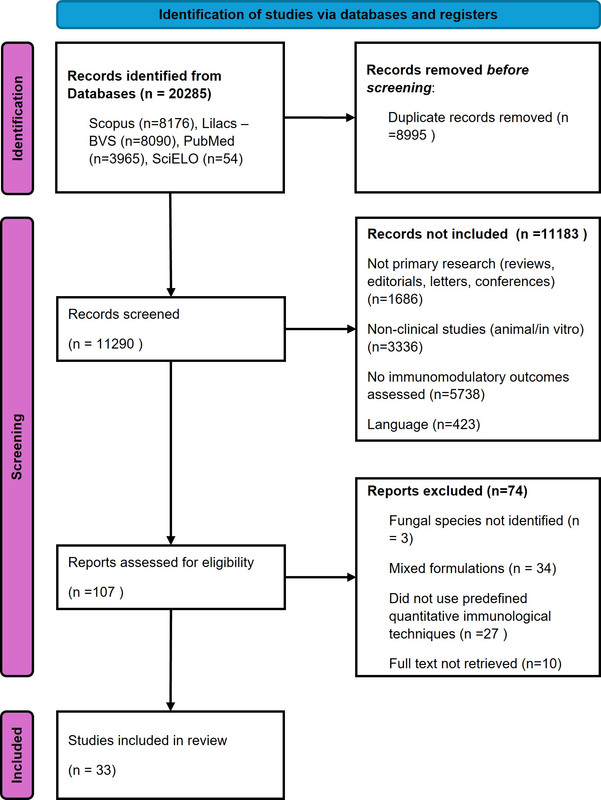
Figure 1. PRISMA-ScR Flow Diagram of Study Selection for the Scoping Review
Structural Characteristics of the Included Studies
The included studies were conducted predominantly in Asia, with additional contributions from Europe and the Americas and limited representation from Oceania (Figure 2A).
The temporal distribution spanned from the 1990s to 2025, with the largest number of publications occurring between 2010 and 2019, followed by studies published from 2020 onward (Figure 2B).
Randomized controlled trials represented the most frequent study design, followed by open-label or pilot clinical studies and phase I/II trials. Observational studies and case series accounted for a smaller proportion of the included evidence (Figure 2C).
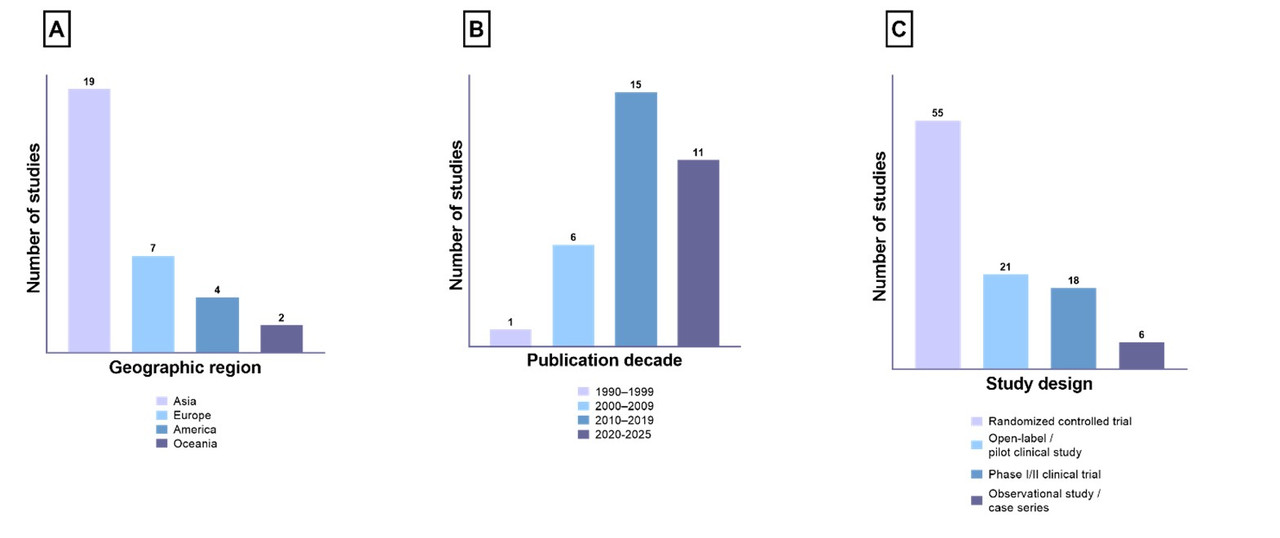
Figure 2. Study Characteristics of the Included Evidence Base. (A) Geographic distribution of included studies. (B) Distribution according to decade of publication. (C) Distribution by study design.
Study Populations
The characteristics of the study populations are detailed in Table 1. The included studies involved patients with cancer (n = 11), metabolic diseases (n = 4), autoimmune disorders (n = 1), infectious diseases (n = 2), and hematologic conditions (n = 1). Studies conducted in healthy adults accounted for n = 9, while healthy adults under physical stress represented n = 3. Pediatric populations with infectious conditions were evaluated in n = 2 studies.
Patients with cancer constituted the largest clinical subgroup within the included evidence base.
Mushroom Genera and Bioactive Compounds
The distribution of mushroom genera and bioactive compound categories evaluated across studies is summarized in Table 1. Nineteen genera were predefined in the search strategy. However, only eight genera met the eligibility criteria and were represented in the final synthesis: The most frequently investigated genus was Ganoderma (n = 10), followed by Pleurotus (n = 6) and Agaricus (n = 4). Fewer studies evaluated Grifola (n = 4), Cordyceps (n = 3), Phellinus (n = 3), and Lentinus (n = 2), while Schizophyllum was examined in a single study (n = 1).
With respect to bioactive material, polysaccharides and glycoconjugates constituted the predominant category (n = 20), whereas mixed or non-characterized extracts were evaluated in n = 12 studies. In this classification, the category "mixed/non-characterized extracts" referred to single-species interventions in which the bioactive preparation was reported as a crude, composite, or insufficiently characterized extract, rather than to formulations combining multiple mushroom species. A single investigation assessed a defined nucleoside compound derived from Cordyceps (n = 1).
Table 1 provides study-level detail on the corresponding compound type, direction of effect, and evaluated population.
Molecular and Cellular Immunological Outcomes
Table 1 details the specific molecular and cellular immunological endpoints reported in each study, including mushroom genus, bioactive compound type, direction of effect, and study population.
Across studies, increases were reported in immune cell subsets, including CD3⁺, CD4⁺, CD8⁺ T lymphocytes, B lymphocytes, and NK cells, as well as in functional parameters such as NK cell activity, lymphocyte proliferation indices, respiratory burst, and phagocytic capacity. Elevations in cytokines associated with cellular activation, including IL-2, IL-6, IFN-γ, IL-12, and TNF-α, were also documented.
Decreases were reported in pro-inflammatory cytokines such as TNF-α, IL-6, and IL-1β, as well as in C-reactive protein, eosinophil counts, B lymphocytes, helper T cells, and selected activation markers. In certain studies, reductions in inflammatory mediators occurred alongside increases in cellular immune parameters.
Some investigations described preservation or stabilization of immune markers, particularly NK cell activity and immunoglobulin levels. Isolated studies reported no significant changes in measured inflammatory or antioxidant parameters.
The evaluated endpoints encompassed cellular immunity (NK cells, T-cell subsets, regulatory T cells), humoral immunity (immunoglobulin concentrations and B-cell counts), inflammatory mediators (pro- and anti-inflammatory cytokines and acute-phase proteins), and functional immune assays.
Classification of Immunological Effects
Reported immunological responses were categorized as immunostimulatory, bidirectional (biphasic), immunosuppressive/anti-inflammatory, immunomodulatory (regulatory), or no effect (Figure 3A). Immunostimulatory effects were the most frequently reported category. Bidirectional responses and immunosuppressive/anti-inflammatory effects were also observed across multiple studies, whereas immunomodulatory (regulatory) effects and absence of detectable change were less frequently reported.
Immune Domains Evaluated
The immunological parameters assessed were grouped into four domains: cell-mediated immunity, inflammation, humoral immunity, and phagocytosis (Figure 3B).
Cell-mediated immunity was the most frequently evaluated domain, followed by inflammatory markers. Humoral immunity and phagocytic function were assessed in a smaller subset of studies.
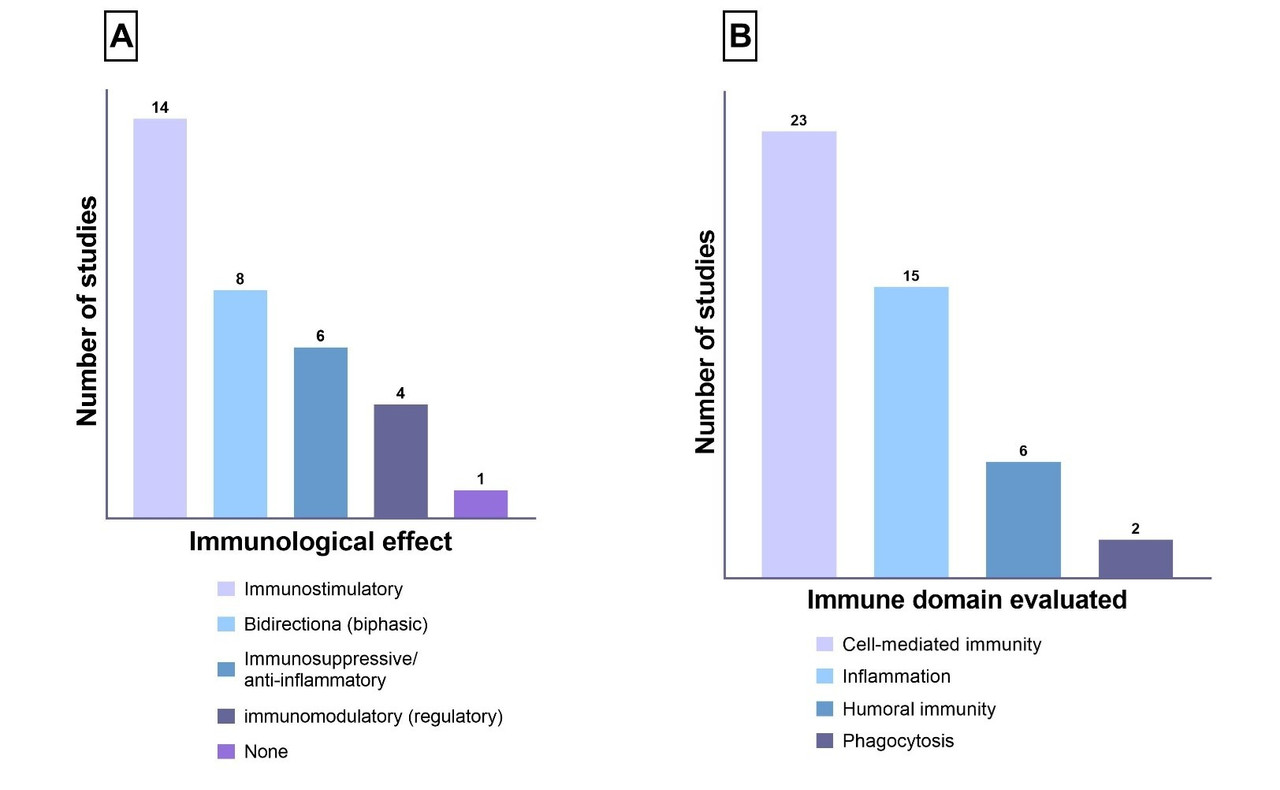
Figure 3. Classification of Immunological Effects and Immune Domains Evaluated in Included Clinical Studies. A) Distribution of studies according to the predominant type of immunological effect reported. (B) Frequency of immune domains evaluated across included studies.
Tables
Table 1. Summary of Immunological Outcomes Reported in Included Clinical Studies
| Article |
Mushroom |
Bioactive Compound Evaluated |
Direction of Immunological Effect |
Immunological Mechanism Details |
Immunological Effect |
Study population |
Dose |
Route |
Period |
| (Volman et al., 2010) |
Agaricus |
Polysaccharides and glycoconjugates |
Decrease |
TNF-α |
Immunosuppressive/anti-inflammatory |
Patients with metabolic disease |
5 g/day |
Orally |
5 weeks |
| (Fortes et al., 2009) |
Agaricus |
Mixed/non-characterized extract |
Increase |
Neutrophils |
Immunostimulatory |
Patients with cancer |
30 mg/kg/ day |
Orally |
6 weeks |
| (Costa Fortes & Carvalho Garbi Novaes, 2011) |
Agaricus |
Mixed/non-characterized extract |
Decrease |
IgA, IgM |
Immunomodulatory (regulatory) |
Patients with cancer |
30 mg/kg/day |
Orally |
26 weeks |
| (Hashemi Yusefabad et al., 2022) |
Agaricus |
Mixed/non-characterized extract |
No significant change |
IL-6, CRP, TAC |
None |
Patients with metabolic disease |
16 g/day |
Orally |
8 weeks |
| (Kang et al., 2015) |
Cordyceps |
Mixed/non-characterized extract |
Increase |
NK cell activity, lymphocyte proliferation index, IFN-γ, IL-12, IL-2, TNF-α |
Immunostimulatory |
Healthy adults |
1,5 g/day |
Orally |
4 weeks |
| (He et al., 2016) |
Cordyceps |
Mixed/non-characterized extract |
Increase |
CD8⁺ and CD4⁺ T lymphocytes |
Bidirectional (Biphasic) |
Patients with autoimmune disease (Hashimoto's thyroiditis) |
2,0 g trad |
Orally |
24 weeks |
| Decrease |
CD4⁺ and CD8⁺ T lymphocytes |
Patients with autoimmune disease (Graves' disease) |
| (Ontawong et al., 2024) |
Cordyceps |
Nucleoside |
Increase |
NK cell activity |
Bidirectional (Biphasic) |
Healthy adults |
2,85 mg/day |
Orally |
8 weeks |
| Decrease |
TNF-α, IL-1β, IL-6 |
| (Y. Deng et al., 2021) |
Ganoderma |
Mixed/non-characterized extract |
Increase |
CD3⁺CD4⁺ cells, CD3⁺HLA-DR⁻ cells, IL-12, IL-2 |
Bidirectional (Biphasic) |
Patients with cancer |
2000 mg bid |
Orally |
6 weeks |
| Decrease |
CD4⁺CD25⁺ Treg cells, CD3⁺HLA-DR⁺ cells, IL-10, COX-2, TGF-β1 |
| (Gao et al., 2003) |
Ganoderma |
Polysaccharides and glycoconjugates |
Increase |
IL-2, IL-6, IFN-γ, CD56⁺, CD3⁺, CD4⁺, CD8⁺ cells, NK cell activity |
Bidirectional (Biphasic) |
Patients with cancer |
1800 mg tid |
Orally |
12 weeks |
| Decrease |
IL-1, TNF-α |
1800 mg tid |
Orally |
12 weeks |
| (Gao et al., 2005) |
Ganoderma |
Polysaccharides and glycoconjugates |
Increase |
IL-2, IL-6, IFN-γ, CD3⁺, CD4⁺, CD8⁺, CD56⁺ cells, NK cell activity |
Bidirectional (Biphasic) |
Patients with cancer |
1800 mg tid |
Orally |
12 weeks |
| Decrease |
IL-1, TNF-α, CD4:CD8 ratio |
1800 mg tid |
Orally |
12 weeks |
| Chen et al., 2023 |
Ganoderma |
Polysaccharides and glycoconjugates |
Increase |
CD3⁺, CD4⁺, CD8⁺ T cells, NK cell activity |
Immunostimulatory |
Healthy adults |
200 mg/day |
Orally |
12 weeks |
| (Tangkhaphiphat et al., 2022) |
Ganoderma |
Mixed/non-characterized extract |
Increase |
Neutrophils, IgG, IgE |
Bidirectional (Biphasic) |
Patients with cancer |
250 mg tid |
Orally |
8 weeks |
| Decrease |
Sub, IgA |
250 mg tid |
Orally |
8 weeks |
| (Zhao et al., 2012) |
Ganoderma |
Mixed/non-characterized extract |
Decrease |
IL-6, TNF-α |
Immunosuppressive/anti-inflammatory |
Patients with cancer |
1000 mg tid |
Orally |
4 weeks |
| (Chu et al., 2012) |
Ganoderma |
Mixed/non-characterized extract |
Decrease |
B lymphocytes, helper T cells |
Immunosuppressive/anti-inflammatory |
Patients with metabolic disease |
1,44 g/day |
Orally |
12 weeks |
| (AL-jumaili et al., 2020) |
Ganoderma |
Mixed/non-characterized extract |
Increase |
IgG, lymphocytes |
Immunostimulatory |
Patients with infections |
Healthy patients: 0.3 g/kg of body weight/day
Patients with COVID-19: 0.3 g/kg of body weight/day |
Healthy patients: Orally
Patients with COVID-19: Orally |
Healthy patients: Not specified
Patients with COVID-19: 1 week and 3 days |
| (Poedjomartono et al., 2020) |
Ganoderma |
Polysaccharides and glycoconjugates |
Increase |
CD4⁺ and CD8⁺ T lymphocytes, IL-2 |
Immunostimulatory |
Patients with cancer |
Not specified |
Not specified |
Not specified |
| (Aryanugraha et al., 2024) |
Ganoderma |
Polysaccharides and glycoconjugates |
Decrease |
TNF-α, CRP |
Immunosuppressive/anti-inflammatory |
Patients with metabolic disease |
250 mg tid |
Orally |
13 weeks |
| (G. Deng et al., 2009) |
Grifola |
Polysaccharides and glycoconjugates |
Increase |
IL-10, IL-2, TNF-α, CD3⁺CD56⁺ NK T cells, CD4⁺CD25⁺ T cells |
Bidirectional (Biphasic) |
Patients with cancer |
0.1, 0.5, 1.5, 3, or 5 mg/kg bid |
Orally |
3 weeks |
| Decrease |
IFN-γ |
0.1, 0.5, 1.5, 3, or 5 mg/kg bid |
Orally |
3 weeks |
| (Kodama et al., 2002) |
Grifola |
Polysaccharides and glycoconjugates |
Increase |
NK cell activity |
Immunostimulatory |
Patients with cancer |
100 mg/day |
Orally |
147 weeks |
| (Nanba et al., 2000) |
Grifola |
Polysaccharides and glycoconjugates |
Increase |
CD4⁺ cell count, IL-2 |
Bidirectional (Biphasic) |
Patients with infections |
Option A: 6 g of Maitake tablets per day.
Option B: 20 mg of purified MD-Fraction + 4 g of Maitake tablets per day. |
Orally |
51 weeks |
| Decrease |
CD4⁺ cell count, IL-2 |
Option A: 6 g of Maitake tablets per day.
Option B: 20 mg of purified MD-Fraction + 4 g of Maitake tablets per day. |
Orally |
51 weeks |
| (Wesa et al., 2015) |
Grifola |
Polysaccharides and glycoconjugates |
Increase |
Respiratory burst / ROS production |
Immunostimulatory |
Patients with hematologic disease |
3 mg/kg bid |
Orally |
12 weeks |
| (Zembron-Lacny et al., 2013) |
Lentinus |
Mixed/non-characterized extract |
Increase |
IL-10 |
Immunomodulatory (regulatory) |
Healthy adults under physical stress |
700 mg bid |
Orally |
3 weeks |
| (Gaullier et al., 2011) |
Lentinus |
Polysaccharides and glycoconjugates |
Increase |
CD19⁺ B cells, preservation of CD4⁺ T cells, NK cells |
Immunostimulatory |
Healthy adults |
2,5 mg/day |
Intravenously |
6 weeks |
| (Ku et al., 2022) |
Phellinus |
Polysaccharides and glycoconjugates |
Increase |
NK cell activity |
Immunostimulatory |
Healthy adults |
1000 mg/day |
Orally |
8 weeks |
| (Ku & Kang, 2022) |
Phellinus |
Polysaccharides and glycoconjugates |
Increase |
IL-6, IgG1, IgG2, IgM (preservation), NK cell activity |
Immunostimulatory |
Healthy adults |
PL1000 group: 1000 mg/day
PL2000 group: 2000 mg/day |
Orally |
8 weeks |
| (Lee et al., 2010) |
Phellinus |
Mixed/non-characterized extract |
Decrease |
IL-1β |
Immunosuppressive/anti-inflammatory |
Healthy adults |
1,5 L/day |
Orally |
4 weeks |
| (Jesenak et al., 2013) |
Pleurotus |
Polysaccharides and glycoconjugates |
Increase |
IgG, IgA, IgM, preservation of NK cells and CD8⁺ T cells |
Immunomodulatory (regulatory) |
Children with infections |
1 mL per 5 kg of Imunoglukan P4H® syrup |
Orally |
26 weeks |
| (Jesenak et al., 2014) |
Pleurotus |
Polysaccharides and glycoconjugates |
Decrease |
Eosinophil count |
Immunomodulatory (regulatory) |
Children with infections |
1 mL per 5 kg of Imunoglukan P4H® syrup |
Orally |
26 weeks |
| Stabilization |
IgE |
| (Bobovčák et al., 2010) |
Pleurotus |
Polysaccharides and glycoconjugates |
Relative functional increase / preservation |
NK cell number and activity |
Immunostimulatory |
Healthy adults under physical stress |
200 mg/day |
Orally |
8 weeks |
| (Tanaka et al., 2016) |
Pleurotus |
Polysaccharides and glycoconjugates |
Increase |
IFN-γ, IL-12, NK cell activity |
Immunostimulatory |
Healthy adults |
80 mL/day |
Orally |
8 weeks |
| (Bergendiova et al., 2011) |
Pleurotus |
Polysaccharides and glycoconjugates |
Increase |
NK cell count, phagocytic capacity |
Immunostimulatory |
Healthy adults under physical stress |
100 mg/day |
Orally |
13 weeks |
| (Dündar et al., 2024) |
Pleurotus |
Polysaccharides and glycoconjugates |
Decrease |
TNF-α, IFN-γ, IL-1β |
Immunosuppressive/anti-inflammatory |
Healthy adults |
100 mL/day |
Orally |
4 weeks |
| (Miyazaki et al., 1995) |
Schizophyllum |
Polysaccharides and glycoconjugates |
Increase |
CD4⁺ and CD8⁺ T lymphocytes |
Immunostimulatory |
Patients with cancer |
Sizofiran: 20-40 mg/semana
5-Fluorouracilo (5-FU): 200-300 mg al día |
Sizofiran: Intramuscular route
5-Fluorouracilo (5-FU): Orally |
Sizofiran: 104 weeks
5-Fluorouracilo (5-FU): 52 weeks |
DISCUSSION
This scoping review mapped human clinical evidence on the immunomodulatory effects of single-species edible and medicinal mushrooms administered as dietary or supplemental interventions and assessed using predefined quantitative immunological techniques. Across 33 studies, reported immune outcomes clustered primarily around modulation of cellular immunity and inflammatory mediators. Recurrent signals involved NK-cell activity, T-lymphocyte subsets, and cytokine patterns consistent with Th1-associated activation and/or attenuation of inflammatory pathways. These clinical patterns were most frequently described for polysaccharide- and glycoconjugate-rich preparations and, to a lesser extent, for mixed or insufficiently characterized extracts. Collectively, the findings suggest biological plausibility for mushroom-derived polysaccharides as functional nutritional bioactives, while simultaneously underscoring the interpretative challenges introduced by heterogeneous product characterization.
From a mechanistic perspective, fungal polysaccharides—particularly β-glucans—are recognized by innate immune receptors expressed on monocytes/macrophages, neutrophils, dendritic cells, and other effector populations, thereby shaping downstream cytokine and functional responses. Canonical recognition involves Dectin-1 and complement receptor 3 (CR3), with cooperative signaling capable of engaging Syk-dependent pathways and converging on NF-κB/MAPK activation. These cascades influence cytokine production, phagocytosis, and antigen presentation, providing a coherent biological framework for interpreting clinical changes in immune cell function and cytokine profiles reported in supplementation studies (Brown & Gordon, 2005; Goodridge et al., 2009). Broader immunopharmacological syntheses further support the plausibility of these receptor-mediated effects across immune and cancer-related contexts (Ayeka, 2018; Chan et al., 2009). Importantly, however, the mapped evidence supports association rather than causality, particularly given the variability in formulations and clinical designs.
In oncology settings, the predominance of cell-mediated endpoints is clinically meaningful because these biomarkers are closely related to antitumor immune surveillance. In the trials by Gao et al. (2003, 2005), Ganoderma lucidum polysaccharides in advanced-stage cancer and advanced lung cancer were associated with increases in IL-2, IL-6, IFN-γ, CD56+ cells, and NK-cell activity; in the lung cancer study, increases in CD3+, CD4+, and CD8+ cells were also reported, together with decreases in IL-1 and TNF-α (Gao et al., 2003, 2005). Likewise, Grifola frondosa D-fraction was associated with sustained enhancement of NK cytotoxic activity in cancer patients (Kodama et al., 2002), while postoperative biomarker studies with Ganoderma spore powder also pointed toward immunological benefit in breast and lung cancer settings (Deng et al., 2021). Taken together, these findings suggest that, in cancer populations, mushroom-derived preparations have mainly been investigated as adjunctive nutritional interventions with potential relevance for immune surveillance, rather than as isolated anti-inflammatory agents.
By contrast, in metabolic and autoimmune conditions, the most clinically relevant signal was not consistent immune stimulation but selective dampening of inflammatory or dysregulated immune responses. In slightly hypercholesterolemic subjects, Agaricus bisporus α-glucans reduced LPS-induced TNF-α production ex vivo without broad Th1/Th2 skewing (Volman et al., 2010), which supports a more targeted anti-inflammatory interpretation than a generalized stimulatory one. In autoimmune thyroid disease, the Corbrin Capsule study reported dual-directional immunomodulatory effects, with restoration of helper/cytotoxic T-cell balance and reductions in autoantibody levels in both Graves’ disease and Hashimoto’s thyroiditis (He et al., 2016). These patterns are important because, in such populations, the desirable nutritional effect is more plausibly immune rebalancing than indiscriminate activation.
In healthy adults, the immune domains evaluated were again predominantly cellular, but their interpretation differs from that in clinical disease. Here, increases in NK-cell activity, lymphocyte proliferation, and selected Th1-related cytokines after Cordyceps militaris supplementation are more appropriately interpreted as enhancement of functional immune responsiveness within physiological ranges, rather than correction of overt immune dysfunction (Kang et al., 2015). Similar patterns were observed in trials of Pleurotus, Phellinus, and Lentinus preparations, where maintenance or enhancement of NK-cell parameters, selected lymphocyte subsets, or phagocytic function was reported, including in physically stressed individuals (Bergendiova et al., 2011; Bobovčák et al., 2010; Gaullier et al., 2011; Ku et al., 2022; Ku & Kang, 2022; Tanaka et al., 2016). However, the relevance of these changes for real-world health outcomes in otherwise healthy populations remains less direct than in oncology or recurrent infection settings, especially when immune markers were not predefined as primary clinical endpoints.
Pediatric studies in recurrent respiratory tract infections illustrate a different translational scenario, in which immunological readouts were assessed alongside clinically meaningful outcomes. In the randomized trial by Jesenak et al. (2013), pleuran-based supplementation was associated with reduced respiratory morbidity together with modulation of humoral and cellular immunity, while a subsequent trial reported decreased eosinophilia and stabilization of total IgE, particularly in atopic children (Jesenak et al., 2014). In this context, the value of mushroom-derived interventions may lie less in maximizing immune activation per se and more in supporting host defense while modulating allergy-related inflammation. This applied pediatric setting is particularly relevant for clinical nutrition because it links biomarker changes with a more patient-centered pattern of benefit than that seen in many adult exploratory trials.
Interpretability across the evidence base is constrained by formulation heterogeneity and incomplete compositional reporting. Many trials relied on mixed or insufficiently characterized extracts, limiting attribution of observed immune effects to defined molecules and complicating reproducibility. For a readership interested in functional foods and clinical nutrition, this issue is particularly relevant: structural characteristics of polysaccharides—such as molecular weight distribution, branching patterns, solubility, and batch-to-batch variability—can plausibly influence receptor engagement and downstream bioactivity, yet these parameters are not consistently reported in human supplementation studies (Brown & Gordon, 2005; Chan et al., 2009; Goodridge et al., 2009). Additionally, immune outcome heterogeneity is substantial, with variation in cytokine panels, cell phenotyping strategies, and functional assays. Immune markers are not always predefined as primary endpoints, further limiting interpretability and comparability.
This scoping review has limitations. No formal risk-of-bias assessment was conducted, consistent with the objective of mapping rather than grading evidence strength. Inclusion was restricted to studies employing predefined quantitative immunological techniques (ELISA, qPCR, Western blot, flow cytometry), which may have excluded clinically relevant trials using alternative assays. Accordingly, the reported immunological effects should be interpreted with caution, as this review was designed to map and characterize the available evidence rather than to provide quantitative effect estimates or statistical synthesis. In addition, the search was restricted to peer-reviewed literature and did not include gray literature sources. Although this decision may have improved consistency and traceability across the included studies, it may also have resulted in omission of relevant non-indexed or unpublished evidence. Although nineteen genera were included in the search strategy, eligible clinical evidence was identified only for a subset, indicating that translational clinical research remains concentrated in relatively few mushroom taxa.
Future research in the field of mushroom-based nutritional supplementation would benefit from standardized extract characterization, transparent compositional reporting, and harmonized immune endpoint selection. Clearly defined primary immunological outcomes, adequate sample sizes, and consistent timing of sampling would improve cross-study comparability. Integrating mechanistically informed biomarkers with clinically meaningful endpoints may help clarify whether observed immune changes represent transient activation, sustained modulation, or context-dependent rebalancing. Such methodological refinement is essential for advancing mushroom-derived bioactives within evidence-based clinical nutrition frameworks.
CONCLUSION
The mapped clinical literature indicates that single-species edible and medicinal mushrooms administered as dietary or supplemental interventions are associated with measurable modulation of immune parameters in humans. The most consistent signals involve cell-mediated immunity and inflammatory mediator profiles, with recurrent observations related to NK-cell activity and cytokine patterns across diverse populations and clinical contexts.
For the field of clinical nutrition and functional foods, the principal challenge is not merely to expand the number of trials, but to improve extract standardization, compositional transparency, and harmonization of immunological endpoints. Advancing mushroom-derived bioactives as credible components of nutritional strategies aimed at supporting immune health will require bridging immunomarker findings with well-characterized preparations and clinically anchored outcomes. Strengthening this translational pathway will enable more reliable integration of mushroom-based interventions into evidence-informed nutritional practice.
Cómo citar este artículo (APA 7):
Zapata Cardona, V., Gómez Gallego, D. M., & Loaiza Ceballos, M. C. (2026). Clinical evidence on the immunomodulatory effects of mushroom-derived bioactive compounds in humans: a scoping review. Revista Nutrición Continua, 2(2), 19-38. https://doi.org/10.70983/erwc3j43
REFERENCES
AL-jumaili, M. M. O., Al-dulaimi, F. K. Y., & Ajeel, M. A. (2020). The Role of Ganoderma lucidum Uptake on Some Hematological and Immunological Response in Patients with Coronavirus (COVID-19). Systematic Reviews in Pharmacy, 11(8), 537–541. https://doi.org/10.31838/srp.2020.8.76
Aryanugraha, T., Sargowo, D., & Rahimah, A. F. (2024). Effect of Î2-1,3-1,6-D-glukan (polysaccharide peptide) from miselia Ganoderma lucidum extract as antioxidant and antiinflammation towards left ventricular systolic function in cardiometabolic patients. Heart Science Journal, 5(4), 55–59. https://doi.org/10.21776/ub.hsj.2024.005.04.9
Ayeka, P. A. (2018). Potential of Mushroom Compounds as Immunomodulators in Cancer Immunotherapy: A Review. Evidence-Based Complementary and Alternative Medicine, 2018(1), 7271509. https://doi.org/10.1155/2018/7271509
Baumgart, D. C., Misery, L., Naeyaert, S., & Taylor, P. C. (2019). Biological Therapies in Immune-Mediated Inflaturated Diseases: Can Biosimilars Reduce Access Inequities? Frontiers in Pharmacology, 10. https://doi.org/10.3389/fphar.2019.00279
Bergendiova, K., Tibenska, E., & Majtan, J. (2011). Pleuran (β-glucan from Pleurotus ostreatus) supplementation, cellular immune response and respiratory tract infections in athletes. European Journal of Applied Physiology, 111(9), 2033–2040. https://doi.org/10.1007/s00421-011-1837-z
Bobovčák, M., Kuniaková, R., Gabriž, J., & Majtán, J. (2010). Effect of Pleuran (β-glucan from Pleurotus ostreatus) supplementation on cellular immune response after intensive exercise in elite athletes. Applied Physiology, Nutrition, and Metabolism, 35(6), 755–762. https://doi.org/10.1139/H10-070
Brown, G. D., & Gordon, S. (2005). Immune recognition of fungal β-glucans. Cellular Microbiology, 7(4), 471–479. https://doi.org/10.1111/j.1462-5822.2005.00505.x
Chan, G. C.-F., Chan, W. K., & Sze, D. M.-Y. (2009). The effects of β-glucan on human immune and cancer cells. Journal of Hematology & Oncology, 2(1), 25. https://doi.org/10.1186/1756-8722-2-25
Chen, S.-N., Nan, F.-H., Liu, M.-W., Yang, M.-F., Chang, Y.-C., & Chen, S. (2023). Evaluation of Immune Modulation by β-1,3; 1,6 D-Glucan Derived from Ganoderma lucidum in Healthy Adult Volunteers, A Randomized Controlled Trial. Foods, 12(3). https://doi.org/10.3390/foods12030659
Chu, T. T. W., Benzie, I. F. F., Lam, C. W. K., Fok, B. S. P., Lee, K. K. C., & Tomlinson, B. (2012). Study of potential cardioprotective effects of Ganoderma lucidum (Lingzhi): Results of a controlled human intervention trial. British Journal of Nutrition, 107(7), 1017–1027. https://doi.org/10.1017/S0007114511003795
Chu, R. M., Mittal, P., Mp, N., Arora, T., Bhattacharya, T., Chopra, H., Cavalu, S., & Gautam, R. K. (2022). Fungal Mushrooms: A Natural Compound With Therapeutic Applications. Frontiers in Pharmacology, 13. https://doi.org/10.3389/fphar.2022.925387
Costa Fortes, R., & Carvalho Garbi Novaes, M. a R. (2011). Efectos de la suplementación dietética con hongos Agaricus sylvaticus en el metabolismo y la presión arterial en pacientes con cáncer colorrectal en la fase postoperatoria. Nutrición Hospitalaria, 26(1), 176–186. https://scielo.isciii.es/scielo.php?script=sci_abstract&pid=S0212-16112011000100021&lng=es&nrm=iso&tlng=en
Deng, G., Lin, H., Seidman, A., Fornier, M., D’Andrea, G., Wesa, K., Yeung, S., Cunningham-Rundles, S., Vickers, A. J., & Cassileth, B. (2009). A phase I/II trial of a polysaccharide extract from Grifola frondosa (Maitake mushroom) in breast cancer patients: Immunological effects. Journal of Cancer Research and Clinical Oncology, 135(9), 1215–1221. https://doi.org/10.1007/s00432-009-0562-z
Deng, Y., Ma, J., Tang, D., & Zhang, Q. (2021). Dynamic biomarkers indicate the immunological benefits provided by Ganoderma spore powder in post-operative breast and lung cancer patients. Clinical and Translational Oncology, 23(7), 1481–1490. https://doi.org/10.1007/s12094-020-02547-9
Dündar, A., Yalçın, P., Arslan, N., Acay, H., Hatipoğlu, A., Boğa, M., Karahan, S., & Yaprak, B. (2024). Effect of Pleurotus ostreatus Water Extract Consumption on Blood Parameters and Cytokine Values in Healthy Volunteers. Journal of the American Nutrition Association, 43(8), 645–652. https://doi.org/10.1080/27697061.2024.2369781
Fortes, R. C., Novaes, M. R. C. G., Recôva, V. L., & Melo, A. L. (2009). Immunological, Hematological, and Glycemia Effects of Dietary Supplementation with Agaricus sylvaticus on Patients’ Colorectal Cancer. Experimental Biology and Medicine, 234(1), 53–62. https://doi.org/10.3181/0806-RM-193
Gao, Y., Tang, W., Dai, X., Gao, H., Chen, G., Ye, J., Chan, E., Koh, H. L., Li, X., & Zhou, S. (2005). Effects of Water-Soluble Ganoderma lucidum Polysaccharides on the Immune Functions of Patients with Advanced Lung Cancer. Journal of Medicinal Food, 8(2), 159–168. https://doi.org/10.1089/jmf.2005.8.159
Gao, Y., Zhou, S., Jiang, W., Huang, M., & Dai, X. (2003). Effects of Ganopoly® (A Ganoderma lucidum Polysaccharide Extract) on the Immune Functions in Advanced‐Stage Cancer Patients. Immunological Investigations, 32(3), 201–215. https://doi.org/10.1081/IMM-120022979
Gaullier, J.-M., Sleboda, J., Ofjord, E. S., Ulvestad, E., Nurminiemi, M., Moe, C., Albrektsen, T., & Gudmundsen, O. (2011). Supplementation with a Soluble Beta-Glucan Exported from Shiitake Medicinal Mushroom, Lentinus edodes (Berk.) Singer Mycelium: A Crossover, Placebo-Controlled Study in Healthy Elderly. International Journal of Medicinal Mushrooms, 13(4). https://doi.org/10.1615/IntJMedMushr.v13.i4.10
Goodridge, H. S., Wolf, A. J., & Underhill, D. M. (2009). β-glucan recognition by the innate immune system. Immunological Reviews, 230(1), 38–50. https://doi.org/10.1111/j.1600-065X.2009.00793.x
Hashemi Yusefabad, H., Hosseini, S. A., Zakerkish, M., Cheraghian, B., & Alipour, M. (2022). The effects of hot air-dried white button mushroom powder on glycemic indices, lipid profile, inflammatory biomarkers and total antioxidant capacity in patients with type-2 diabetes mellitus: A randomized controlled trial. Journal of Research in Medical Sciences: The Official Journal of Isfahan University of Medical Sciences, 27, 49. https://doi.org/10.4103/jrms.JRMS_513_20
He, T., Zhao, R., Lu, Y., Li, W., Hou, X., Sun, Y., Dong, M., & Chen, L. (2016). Dual-Directional Immunomodulatory Effects of Corbrin Capsule on Autoimmune Thyroid Diseases. Evidence-Based Complementary and Alternative Medicine, 2016(1), 1360386. https://doi.org/10.1155/2016/1360386
Henao, S. L. D., Urrego, S. A., Cano, A. M., & Higuita, E. A. (2018). Randomized Clinical Trial for the Evaluation of Immune Modulation by Yogurt Enriched with beta;-Glucans from Lingzhi or Reishi Medicinal Mushroom, Ganoderma lucidum (Agaricomycetes), in Children from Medellin, Colombia. International Journal of Medicinal Mushrooms, 20(8). https://doi.org/10.1615/IntJMedMushrooms.2018026986
https://www.polarismarketresearch.com, P. M. R. (2025). Mushroom Market Size 2025. Polaris Market Research. https://www.polarismarketresearch.com/industry-analysis/mushroom-market
Holmer, A., & Singh, S. (2019). Overall and comparative safety of biologic and immunosuppressive therapy in inflammatory bowel diseases. Expert Review of Clinical Immunology, 15(9), 969–979. https://doi.org/10.1080/1744666X.2019.1646127
Jesenak, M., Hrubisko, M., Majtan, J., Rennerova, Z., & Banovcin, P. (2014). Anti-allergic Effect of Pleuran (β-glucan from Pleurotus ostreatus) in Children with Recurrent Respiratory Tract Infections. Phytotherapy Research, 28(3), 471–474. https://doi.org/10.1002/ptr.5020
Jesenak, M., Majtan, J., Rennerova, Z., Kyselovic, J., Banovcin, P., & Hrubisko, M. (2013). Immunomodulatory effect of pleuran (β-glucan from Pleurotus ostreatus) in children with recurrent respiratory tract infections. International Immunopharmacology, 15(2), 395–399. https://doi.org/10.1016/j.intimp.2012.11.020
Kang, H. J., Baik, H. W., Kim, S. J., Lee, S. G., Ahn, H. Y., Park, J. S., Park, S. J., Jang, E. J., Park, S. W., Choi, J. Y., Sung, J. H., & Lee, S. M. (2015). Cordyceps militaris Enhances Cell-Mediated Immunity in Healthy Korean Men. Journal of Medicinal Food, 18(10), 1164–1172. https://doi.org/10.1089/jmf.2014.3350
Kodama, N., Komuta, K., Sakai, N., & Nanba, H. (2002). Effects of D-Fraction, a Polysaccharide from Grifola frondosa on Tumor Growth Involve Activation of NK Cells. Biological and Pharmaceutical Bulletin, 25(12), 1647–1650. https://doi.org/10.1248/bpb.25.1647
Ku, Y. H., & Kang, J. H. (2022). Efficacy of Phellinus linteus extract on immunity enhancement: A CONSORT-randomized, double-blind, placebo-controlled pilot trial. Medicine, 101(40), e30829. https://doi.org/10.1097/MD.0000000000030829
Ku, Y. H., Kang, J. H., & Lee, H. (2022). Effects of Phellinus linteus extract on immunity improvement: A CONSORT-randomized, double-blinded, placebo-controlled trial. Medicine, 101(34), e30226. https://doi.org/10.1097/MD.0000000000030226
Lee, J.-B., Shin, Y.-O., Bae, J.-S., Min, Y.-K., Yang, H.-M., Seo, H.-S., Kwon, D., Kang, J., & Song, Y. (2010). Effect of Phellinus linteus extract supplementation on cortisol and related cytokines in young male adults. Food Science and Biotechnology, 19(3), 671–675. https://doi.org/10.1007/s10068-010-0094-y
Li, E. K., Tam, L.-S., Wong, C. K., Li, W. C., Lam, C. W. K., Wachtel-Galor, S., Benzie, I. F. F., Bao, Y. X., Leung, P. C., & Tomlinson, B. (2007). Safety and efficacy of Ganoderma lucidum (lingzhi) and San Miao San supplementation in patients with rheumatoid arthritis: A double-blind, randomized, placebo-controlled pilot trial. Arthritis Care & Research, 57(7), 1143–1150. https://doi.org/10.1002/art.22994
Loaiza-Ceballos, M. C., Rendon-Marin, S., Higuita-Gutiérrez, L. F., Hernandez, J. C., & Gómez-Gallego, D. M. (2025). Immunomodulatory effects of functional fungi and their bioactive components: A scoping review of preclinical studies. Phytomedicine Plus, 5(4), 100881. https://doi.org/10.1016/j.phyplu.2025.100881
Łysakowska, P., Sobota, A., & Wirkijowska, A. (2023). Medicinal Mushrooms: Their Bioactive Components, Nutritional Value and Application in Functional Food Production—A Review. Molecules, 28(14). https://doi.org/10.3390/molecules28145393
Lull, C., Wichers, H. J., & Savelkoul, H. F. J. (2005). Antiinflammatory and Immunomodulating Properties of Fungal Metabolites. Mediators of Inflammation, 2005(2), 892572. https://doi.org/10.1155/MI.2005.63
Miyazaki, K., Mizutani, H., Katabuchi, H., Fukuma, K., Fujisaka, S., & Okamura, H. (1995). Activated (HLA-DR+) T-Lymphocyte Subsets in Cervical Carcinoma and Effects of Radiotherapy and Immunotherapy with Sizofiran on Cell-Mediated Immunity and Survival. Gynecologic Oncology, 56(3), 412–420. https://doi.org/10.1006/gyno.1995.1073
Nanba, H., Kodama, N., Schar, D., & Turner, D. (2000). Effects of Maitake (Grifola frondosa) glucan in HIV-infected patients. Mycoscience, 41(4), 293–295. https://doi.org/10.1007/BF02463941
Netea, M. G., Joosten, L. A. B., Latz, E., Mills, K. H. G., Natoli, G., Stunnenberg, H. G., O’Neill, L. A. J., & Xavier, R. J. (2016). Trained immunity: A program of innate immune memory in health and disease. Science (New York, N.Y.), 352(6284), aaf1098. https://doi.org/10.1126/science.aaf1098
Ontawong, A., Pengnet, S., Thim-Uam, A., Munkong, N., Narkprasom, N., Narkprasom, K., Kuntakhut, K., Kamkeaw, N., & Amornlerdpison, D. (2024). A randomized controlled clinical trial examining the effects of Cordyceps militaris beverage on the immune response in healthy adults. Scientific Reports, 14(1), 7994. https://doi.org/10.1038/s41598-024-58742-z
Poedjomartono, B., Faisal, A., & Nurjanah, S. (2020). Transarterial Chemoembolization in Hepatocellular Carcinoma: A Clinical Efficacy Study of Ganoderma lucidum Extract Polysaccharide Peptide β-Glucan. Bali Medical Journal, 9(1), 31–35. https://doi.org/10.15562/bmj.v9i1.1610
Rigby, W. F. C., Lampl, K., Low, J. M., & Furst, D. E. (2017). Review of Routine Laboratory Monitoring for Patients with Rheumatoid Arthritis Receiving Biologic or Nonbiologic DMARDs. International Journal of Rheumatology, 2017, 9614241. https://doi.org/10.1155/2017/9614241
Tanaka, A., Nishimura, M., Sato, Y., Sato, H., & Nishihira, J. (2016). Enhancement of the Th1-phenotype immune system by the intake of Oyster mushroom (Tamogitake) extract in a double-blind, placebo-controlled study. Journal of Traditional and Complementary Medicine, 6(4), 424–430. https://doi.org/10.1016/j.jtcme.2015.11.004
Tangkhaphiphat, P., Siritientong, T., Jaruhathai, S., Pipopchaiyasit, N., Ratanajarusiri, T., & Aramwit, P. (2022). Immunomodulatory efficacy and safety of Ganoderma lucidum broken spore supplement in patients after chemotherapy. Science, Engineering and Health Studies, 22050017–22050017. https://doi.org/10.14456/sehs.2022.41
Tricco, A. C., Lillie, E., Zarin, W., O’Brien, K. K., Colquhoun, H., Levac, D., Moher, D., Peters, M. D. J., Horsley, T., Weeks, L., Hempel, S., Akl, E. A., Chang, C., McGowan, J., Stewart, L., Hartling, L., Aldcroft, A., Wilson, M. G., Garritty, C., … Straus, S. E. (2018). PRISMA Extension for Scoping Reviews (PRISMA-ScR): Checklist and Explanation. Annals of Internal Medicine, 169(7), 467–473. https://doi.org/10.7326/M18-0850
Venturella, G., Ferraro, V., Cirlincione, F., & Gargano, M. L. (2021). Medicinal Mushrooms: Bioactive Compounds, Use, and Clinical Trials. International Journal of Molecular Sciences, 22(2). https://doi.org/10.3390/ijms22020634
Volman, J. J., Mensink, R. P., van Griensven, L. J. L. D., & Plat, J. (2010). Effects of α-glucans from Agaricus bisporus on ex vivo cytokine production by LPS and PHA-stimulated PBMCs; a placebo-controlled study in slightly hypercholesterolemic subjects. European Journal of Clinical Nutrition, 64(7), 720–726. https://doi.org/10.1038/ejcn.2010.32
Wasser, S. P. (2011). Current findings, future trends, and unsolved problems in studies of medicinal mushrooms. Applied Microbiology and Biotechnology, 89(5), 1323–1332. https://doi.org/10.1007/s00253-010-3067-4
Wesa, K. M., Cunningham-Rundles, S., Klimek, V. M., Vertosick, E., Coleton, M. I., Yeung, K. S., Lin, H., Nimer, S., & Cassileth, B. R. (2015). Maitake mushroom extract in myelodysplastic syndromes (MDS): A phase II study. Cancer Immunology, Immunotherapy, 64(2), 237–247. https://doi.org/10.1007/s00262-014-1628-6
Yadav, D., & Negi, P. S. (2021). Bioactive components of mushrooms: Processing effects and health benefits. Food Research International, 148, 110599. https://doi.org/10.1016/j.foodres.2021.110599
Zembron-Lacny, A., Gajewski, M., Naczk, M., & Siatkowski, I. (2013). Effect of shiitake (Lentinus edodes) extract on antioxidant and inflammatory response to prolonged eccentric exercise. Journal of Physiology and Pharmacology: An Official Journal of the Polish Physiological Society, 64(2), 249–254.
Zhao, H., Zhang, Q., Zhao, L., Huang, X., Wang, J., & Kang, X. (2012). Spore Powder of Ganoderma lucidum Improves Cancer-Related Fatigue in Breast Cancer Patients Undergoing Endocrine Therapy: A Pilot Clinical Trial. Evidence-Based Complementary and Alternative Medicine, 2012(1), 809614. https://doi.org/10.1155/2012/809614
CRediT authorship contribution statement
VZC: Writing – review & editing, Writing – original draft, Formal analysis, Data curation. MCLC: Writing – review & editing, Writing – original draft, Methodology, Formal analysis, Data curation. DMGG: Writing – review & editing, Writing – original draft, Supervision, Project administration, Methodology, Investigation, Funding acquisition, Formal analysis, Data curation, Conceptualization.
Financing
This study did not receive funding from the public or private sector for its completion.
Declaration of Competing Interest
The authors declare that they have no known competing financial interests or personal relationships that could have appeared to influence the work reported in this paper.
Data availability
As this manuscript is a scoping review, no new datasets were generated or analyzed during the current study. All data used in this review are publicly available in the referenced studies, which can be accessed through the appropriate academic journals and repositories.
Declaration of generative AI in scientific writing
The authors declare that during the preparation of this manuscript, the language-editing tool Trinka was used to improve readability, grammar, and clarity. The tool was used solely for language refinement and did not contribute to the study design, data analysis, interpretation of results, or scientific content. All authors reviewed and edited the manuscript after its use and take full responsibility for the content of this publication.